
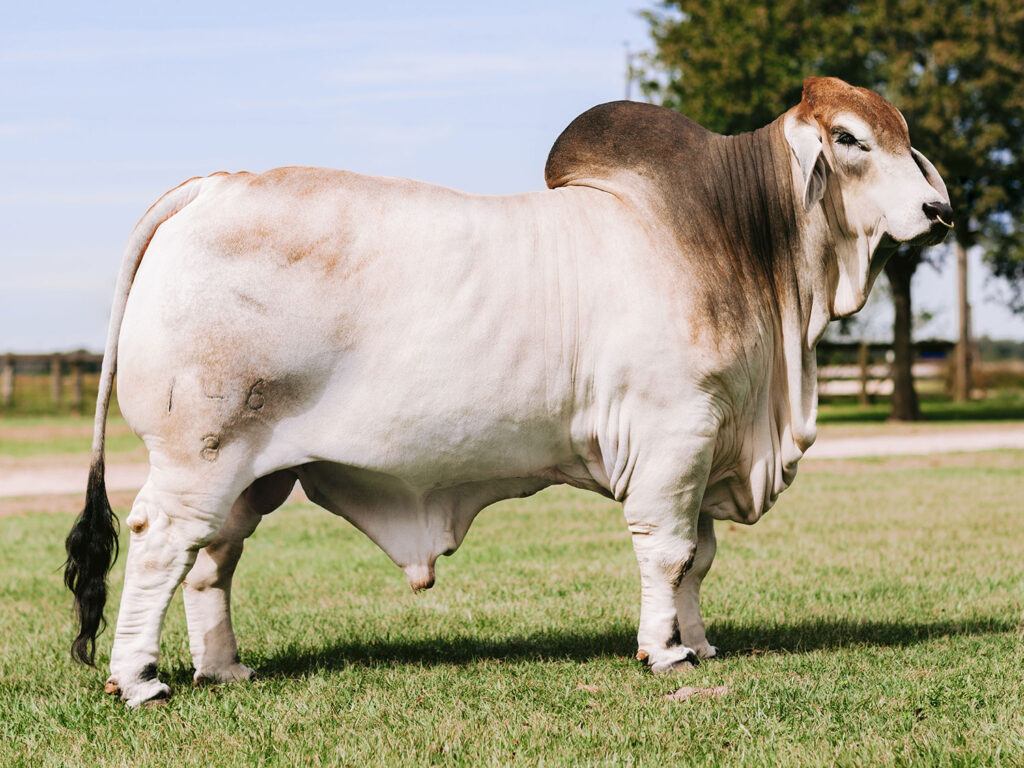
Can cattle banking become a viable vehicle for empowerment in Zimbabwe? Maricho Magazine (MM) sat down with TN Holdings Group CEO, Mr Tawanda Nyambirai (TN), to unpack the concept and explore emerging innovations such as cattle tokenisation.
Background
TN explains that their model operates as a “cattle bank.” Farmers deposit cattle, which are then managed under a structured system combining free grazing and supplementary feeding.
“All costs associated with the care of the cattle are borne by us,” he notes.
Upon deposit, farmers receive a cattle certificate of deposit detailing key attributes—type (heifer, cow, steer, or calf), weight, and date of deposit. The cattle are quarantined before being integrated into the broader herd, with all transfers conducted under strict regulatory oversight involving the police and veterinary authorities.
The operation currently spans farms in Featherstone, Gweru, and Harare.
Returns are structured around biological and financial performance. For breeding stock, a 30% calving rate is agreed with farmers. For steers, a 10% annual return is paid, with TN carrying all associated costs.
A key advantage lies in financial leverage. The certificate of deposit can be used as collateral to access loans through TN CyberTech Bank, enabling farmers to fund other ventures. An agribusiness support unit further assists clients in deploying capital productively.
Diaspora Participation
Interest from the diaspora has grown steadily, driven by the search for inflation-resistant investments.
Diaspora clients invest through TN Asset Management via TN CyberTech Bank, which allocates cattle from its managed portfolio. Investors receive certificates of deposit similar to those issued to local farmers.
“This allows clients to hold an appreciating asset while still accessing liquidity,” TN explains. Investors can leverage their holdings to raise capital for other projects, effectively combining asset growth with financial flexibility.
The minimum holding period is five years. At maturity, investors may withdraw cattle, sell to TN Livestock Bank, or seek external buyers through TN Asset Management.
Tokenisation of Cattle
As herd sizes grow against fixed pasture resources, the model is shifting toward full feedlot operations.
“We are moving towards 100% pen feeding to increase carrying capacity,” TN says.
To support this transition, the group is investing in high-yield fodder, including Juncao grass, reportedly capable of producing up to 300 tonnes per hectare. Combined with silage production from natural grass, this is expected to significantly reduce feed costs.
However, the shift will increase operational expenses.
TN indicates that deposit terms are under review,
with a tentative 20% return structure subject to audit verification.
A central innovation is the tokenisation of cattle. Each animal will be weighed, and digital tokens issued based on live weight—one kilogram equating to one token. Token values will be benchmarked against prevailing auction prices, determined by a panel of market experts.
“These tokens will carry a growth rate, provisionally set at 20%, pending final validation,” TN adds.
Plans are underway to list the tokens on the Victoria Falls Stock Exchange, enhancing liquidity, transparency, and access to tax advantages. Crucially, the tokens would be denominated in US dollars, offering a hedge against currency volatility.
Token holders will be able to trade freely or use their holdings as collateral for loans.
Risk Management and Oversight
The TN Livestock Trust will operate under strict audit controls, covering both proprietary and client-held cattle.
As a safeguard, the Trust aims to maintain proprietary cattle valued at roughly twice the level of deposited stock. This buffer ensures coverage against losses from mortality or theft, with TN committing to replace any such losses while continuing to absorb all care-related costs.
Investors will also be permitted to visit the farms—subject to veterinary protocols—to verify their assets.
“We are committed to maintaining rigorous standards to protect client investments,” TN concludes.