
Looking Ahead: The NEW Blockbuster Variety SC W9104
By Wendy Madzura
Head of Agronomy Seed Co – Africa, Public Relations Manager Seed Co Limited (Zimbabwe)
As the common saying goes, fortune favours the prepared, planning early for wheat production in Zimbabwe is crucial primarily due to the need to align the crop’s growth cycle with the optimal winter season to avoid the rainy season’s adverse effects like increased disease pressure and reduced wheat quality at harvesting which ensures better yield and crop quality.
Early planning is also vital for securing essential inputs, such as certified seeds, fertilizers, and fuel, in a timely manner, which helps manage resource availability and costs effectively before the peak demand period.

Zimbabwe has cemented its status as a key agricultural player, with the 2025 winter season yielding a record wheat harvest of over 640,000 metric tonnes. This significant achievement not only surpassed the country’s annual national requirement of 360,000 metric tonnes but also reinforced Zimbabwe’s position as one of the only two countries in Africa to attain wheat self-sufficiency.
The highest ever wheat bumper harvests were a result of contributions from the government through the Ministry of Lands, Agriculture, Fisheries, Water and Rural Development.
Initiatives such as the investment in farm mechanization, expanded irrigation infrastructure, and effective farmer support programs were real game changers that saw both small scale and commercial farmers in Zimbabwe benefiting
Wheat stands as a cornerstone of global, regional, and local food security, and its cultivation as a winter crop is of paramount importance. In Zimbabwe, winter wheat is sown from end of April to end of May, leveraging cooler temperatures to establish a robust root system and early vegetative growth to optimize on the growing conditions required at critical growth stages that include tillering, booting and heading.
Timely planting enables early harvest which reduces pest and disease pressure ensures that pre-harvest sprouting is avoided. Pre-harvest sprouting caused by early summer rains may cause wheat quality deterioration rendering the flour unsuitable for bread baking.
In line with continuous improvement aimed at addressing changes in customer preferences hinged on over 85 years of experience,
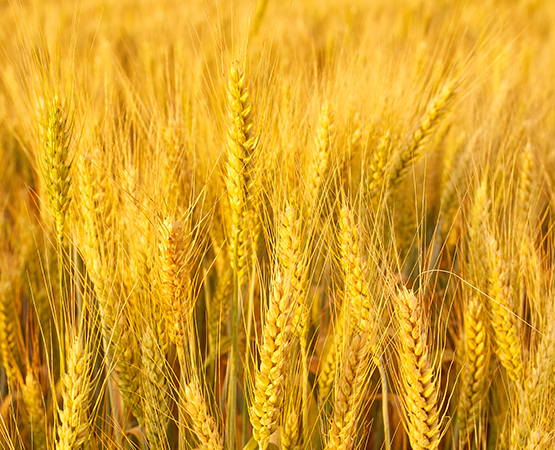
Seed Co is introducing a new wheat flagship variety, SC W9104.
This blockbuster variety was bred to mitigate the effects of new diseases such as stripe rust (yellow rust, now prevalent in Zimbabwe), bring higher adaptability to environmental vagaries like warmer winters and especially to meet new consumer preferences, including superior white flour colour as well as enhanced yield potential and resilience.
This variety is now available on the market
and farmers are encouraged to embrace it
in their cropping programs for the 2026 farming season.
Good genetics from Seed Co provide the essential blueprint, offering traits such as high-yield potential, disease resistance (e.g., against rusts), improved stress tolerance, and superior grain quality. These inherent qualities are then unlocked through good agronomic practices: precise seedbed preparation, balanced nutrient management (especially nitrogen), timely weed and pest control, and efficient water use.
Ultimately, it is the synergistic integration of executive genetics such as the high-performing variety SC W9104. With SC W9104 sown at the perfect time and nurtured with science-driven management that maximizes crop performance, ensuring high and stable yields.
| Variety | Key Traits |
| SC W9104 (NEW) | High yielding variety (±10.5t/ha) |
| Medium to late maturity (±145 days) | |
| Excellent tolerance to rust diseases including yellow rust (stripe rust) | |
| Good milling and baking qualities including white flour, high protein content (>13%), High Falling number (>390 seconds), High Wet Gluten content (> 28%) and high test density (>80kg/hl) | |
| Moderate plant height (± 88 cm) for good standability | |
| Red grained with 1000 kernel weight of 46g | |
| SC Nduna | A high-yielding variety with potential of up to 10.5 tonnes per hectare. |
| Medium to late maturing, offering stability with late plantings. | |
| Adapted for soils with medium to high clay content. | |
| Offers moderate tolerance to Leaf Rust and Powdery Mildew. | |
| Known for good milling and baking qualities, with a grain protein content typically at or above 12%. | |
| SC Select | A very high-yielding variety that can achieve up to 10.5 tonnes per hectare. |
| Widely adapted, yielding high across all agro-ecological zones. | |
| Medium maturing, reaching physiological maturity in 135 to 140 days. | |
| Resistant to current Leaf Rust pathotypes. | |
| Excellent milling and baking qualities, with protein content at or above 12.7%. | |
| SC Serena | Another high-yielding variety, with a potential of up to 10.4 tonnes per hectare. |
| High-yielding across all agro-ecological zones, especially suitable for middle and low-veld areas. | |
| Late maturing, typically taking 145 to 150 days to reach maturity. | |
| Resistant to current Leaf Rust pathotypes. | |
| Characterized by moderate plant height, aiding in good lodging resistance. |
Conclusion
Strategic planning and informed decisions across maize, soya bean, sugar bean, and wheat production supported by Seed Co’s high-yielding, adapted varieties are essential to building resilient, profitable farming systems.
Proactive adaptation to weather variability including optimizing nutrient management during heavy rains, ensuring effective drainage, and harvesting water for future use further strengthens resource efficiency. By combining sound management with the right seeds, farmers can reduce risk, enhance productivity, and secure better returns.