
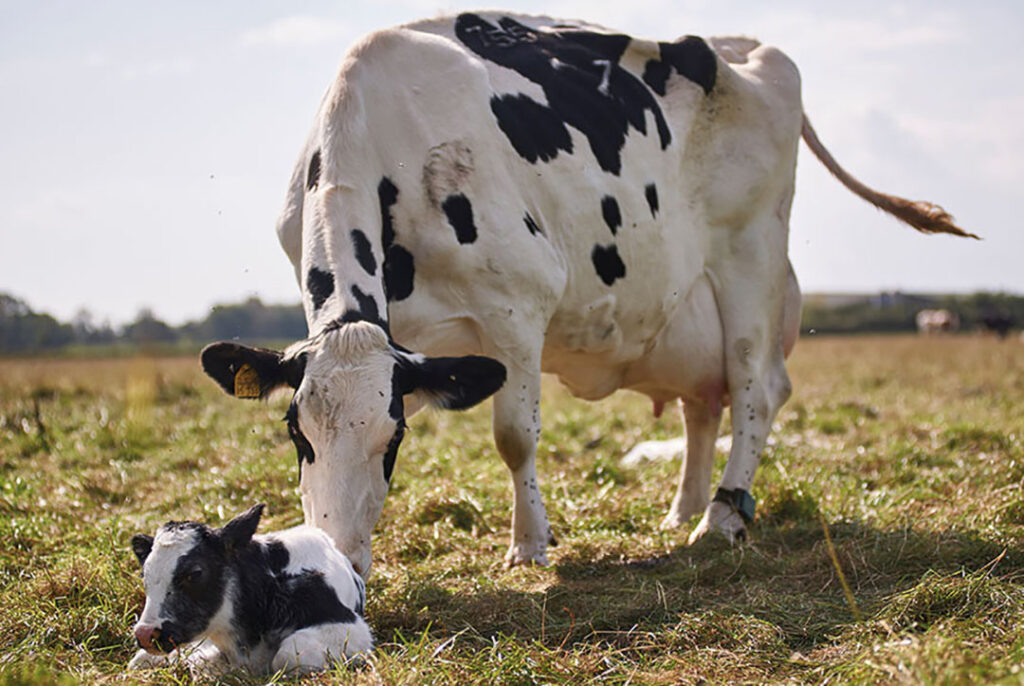
With food security, nutrition and rural industrialisation rising on Africa’s development agenda, Zimbabwe’s hosting of the IDF Regional Dairy Conference signals a bold move to elevate dairy into a catalyst for inclusive growth — anchoring the country at the heart of continental efforts to drive competitiveness, attract investment and advance climate-smart transformation.
By Conrad Mwanawashe
ZIMBABWE is set to host the International Dairy Federation (IDF) Regional Dairy Conference Africa from March 31 to April 2 this year.
Co-hosted by the International Dairy Federation (IDF) and the Zimbabwe Dairy Industry Trust (ZDIT), in collaboration with the Ministry of Lands, Agriculture, Fisheries, Water and Rural Development, the three-day gathering blends high-level panels, keynotes, exhibitions, and networking designed for practical impact and real-world results.
The theme for the conference is: Driving Dairy Competitiveness and Sustainability in Africa and Beyond.
The conference aims to:
- Share global and regional trends in dairy production, processing, and trade.
- Showcase Zimbabwe’s dairy development strategy, investments, and opportunities.
- Facilitate dialogue on climate-smart and sustainable dairy production systems.
- Promote cross-border partnerships for dairy value chain development under AfCFTA and SADC.
- Build consensus on policy and investment priorities for Africa’s dairy sector.
- Address regional challenges including climate change adaptation, improving market access, and enhancing productivity.
- Promote investment, through showcasing viable investment opportunities across the African dairy value chain to stimulate economic growth and sector development
The event will convene approximately 400 international, regional and local stakeholders from the dairy value chain and related industries. These include among others; government, global dairy bodies and IDF, national, regional and international dairy associations, dairy farmers, cooperatives, and producer organisations, processors, exporters, research and academia, international private sector and investors.
For Zimbabwe, the stakes of this conference are high. The dairy sector is increasingly recognised as a primary vehicle for meeting national nutritional requirements, particularly in addressing malnutrition. By focusing on the dairy matrix and its contribution to food security, the event highlights how a single glass of milk can be the difference-maker for a growing child’s development.
The impact of the conference on the local dairy sector is expected to be transformative as Zimbabwe has already embarked on an ambitious dairy revitalization program, focusing on restocking herds, upgrading processing facilities, and integrating smallholder farmers into the national grid.
Hosting the IDF provides a unique opportunity to showcase these local success stories
while attracting the fresh investment needed to turn the country into a regional dairy hub.
Beyond the economic boost, the gathering serves as a critical engine for policy making. By convening global experts and local policymakers, the conference aims to build a consensus on investment priorities that align with the African Continental Free Trade Area (AfCFTA).
It offers a rare chance for Zimbabwean stakeholders to benchmark their operations against global best practices—ranging from climate-smart production to the latest in animal welfare and genetic breeding—ensuring that local farmers aren’t just producing more milk, but are doing so at world-class standards.
As the second iteration of this regional gathering, following its inaugural run in Rwanda, the 2026 summit is set to welcome over 400 delegates. For the small-scale farmer in rural Zimbabwe, the hope is that the high-level discussions in Victoria Falls will eventually flow down to their farm gates, bringing better technology, fairer markets, and a more resilient future.
Zimbabwe is a member of IDF which is the global authority on dairy standards, science, and best practices. Established in 1903, IDF brings together dairy producers, processors, scientists, policymakers, and industry stakeholders from across the world to ensure that the sector remains safe, sustainable, innovative, and competitive.
Zimbabwe has a strong base in the dairy value chain and is strategically positioned to become a regional hub for dairy development. The country has embarked on a dairy revitalization program, including herd restocking, upgrading processing facilities, promoting smallholder integration, and enhancing market competitiveness.
Dairy production steadily increased during the National Development Strategy 1 (NDS1), from 92 million litres in 2020 to 132 million litres in 2024 driven by deliberate interventions under the Dairy Revitalisation Programme to improve the size and productivity of the national dairy herd through the targeted importation of heifers.
Inadequate infrastructure for milk processing, storage and cold chain logistics as well as high regulatory costs, dampened the sector’s growth potential under NDS 1. Despite the notable gains in dairy production and the review of regulatory requirements, continued efforts are required under NDS 2 to ensure that the country becomes self-sufficient in dairy