




By Conrad Mwanawashe
ZIMBABWE has taken a bold stance: its agricultural future will no longer be left to chance. The nation is moving away from a reliance on vulnerable seeds, fragile cuttings, and the unpredictable limitations of the seasons.
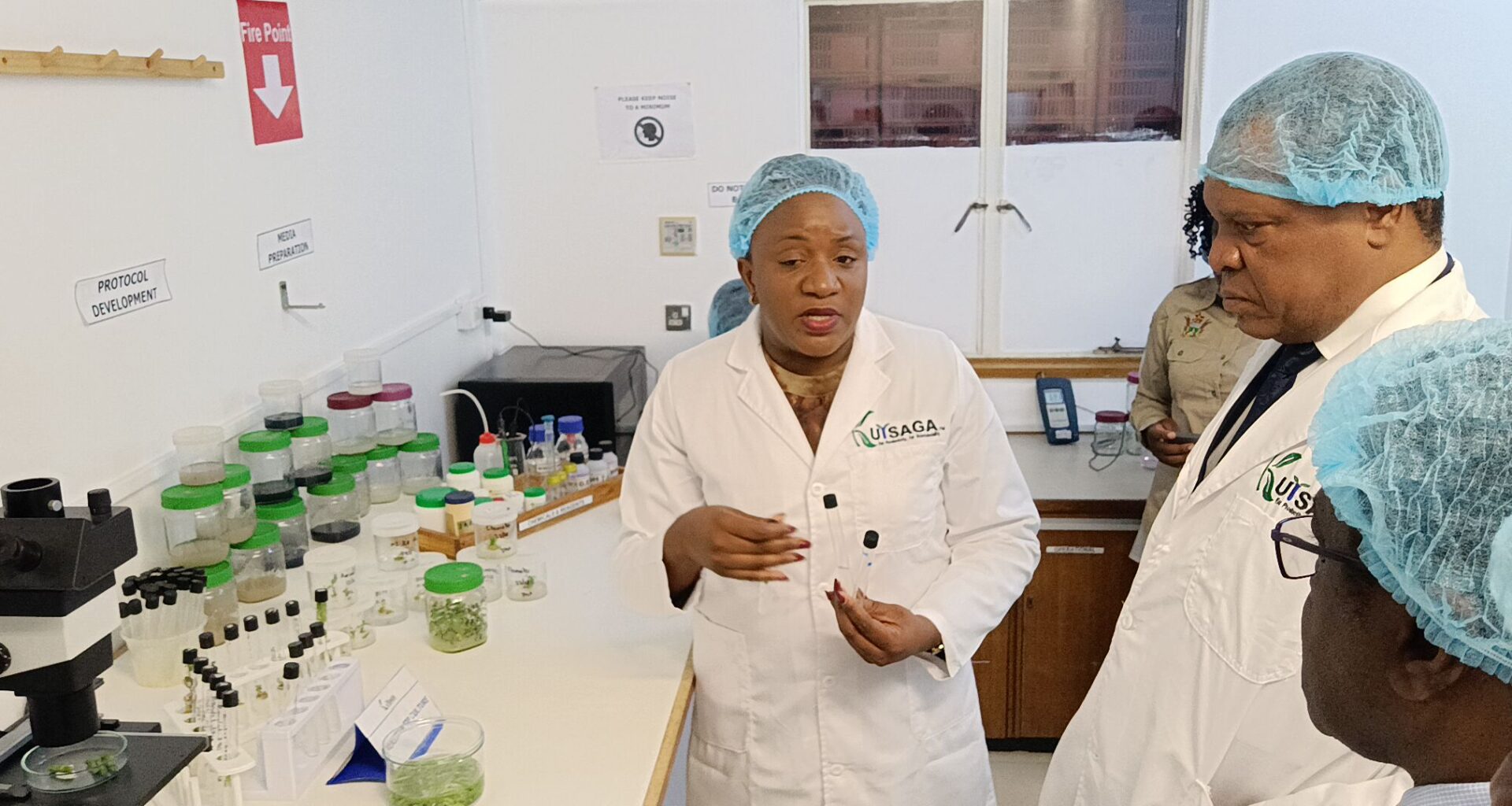
From this point forward, Zimbabwe’s food security will be engineered through precision science. By shifting plant propagation from the open field into the sterile, high-tech environment of the Kutsaga Tissue Culture Facility on the outskirts of Harare, the nation is securing its sovereign food supply.
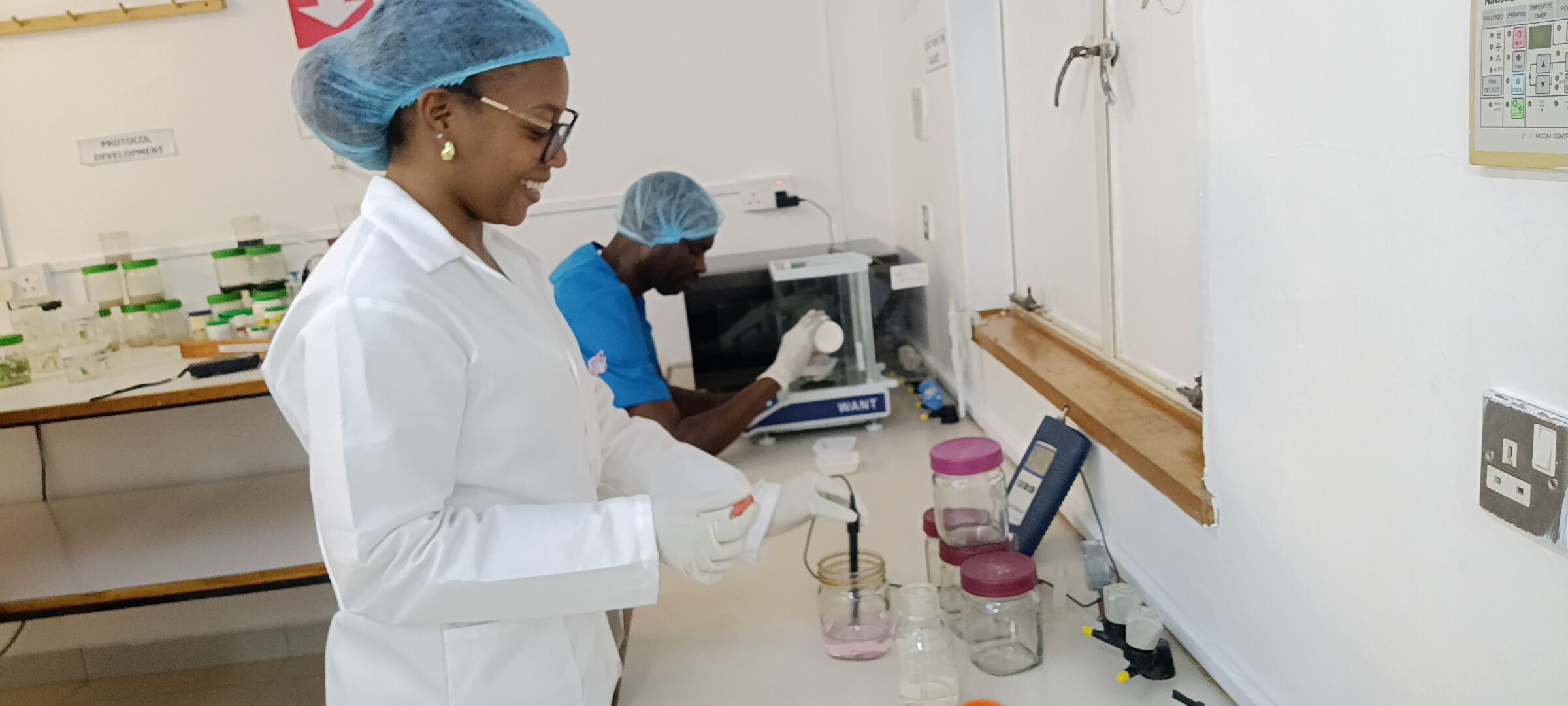 This is more than a laboratory; it is a strategic national asset—a biofoundry designed to rebuild the nation’s food system from the cell up. It represents a total upgrade of Zimbabwe’s biological foundation, designed to be faster, cleaner, and infinitely more resilient.
Harnessing The Power of the Single Cell
Central to this transformation is the science of totipotency—the remarkable ability of a single plant cell to regenerate into a complete, viable plant. By utilizing meristem tip culture, Kutsaga scientists can effectively “scrub” plants of viral and pathogenic diseases.
Kutsaga has turned this biological phenomenon into a scalable production system, replacing slow, unreliable traditional methods with rapid micropropagation.
While seeds, cuttings, and suckers can take multiple seasons to produce enough material for a large-scale farm, tissue culture allows for the generation of thousands of identical, elite plantlets from a tiny tissue sample in a fraction of the time. This research-driven speed allows farmers to respond to market demands with unprecedented agility.
“The rapid micropropagation technique allows for the multiplication of identical plantlets from a single plant. Thousands of plantlets can be produced from a small piece of tissue in a very short time,” says Rhoda Mavuka, Executive Director – Production and Operations at Kutsaga.
“This avoids slow traditional methods like seeds, cuttings, or suckers, which take many seasons meaning that farmers get planting material more rapidly, reducing the time between crop generations,” said Mavuka.
Key Benefits of the Tissue Culture Revolution
- Disease-Free Plants: Meristem tip culture eliminates deep-seated pathogens, ensuring that farmers begin with 100% clean material.
- Genetic Uniformity: The lab produces genetically identical clones, guaranteeing uniformity in size, colour, and vigour—essential traits for commercial high-productivity farming.
- Preserving Biodiversity: The facility utilizes cryopreservation to freeze and safeguard the genetic material of rare and endangered species. This “living library” ensures that valuable genetic diversity remains available for future breeding programs.
- Year-Round Production: Tissue culture is independent of the seasons, ensuring a continuous supply of planting material and preventing yield losses caused by planting delays.
- Enhanced Vigour: Tissue-cultured plantlets typically establish faster in the field. Stronger early growth leads to superior root systems and higher photosynthetic rates, ultimately resulting in higher yields.
- Optimised for Vegetative Crops: The method is exceptionally effective for high-value crops like bananas, potatoes, sugarcane, and strawberries.
Data-Driven Success: Tissue Culture in Action
The Kutsaga facility is currently operating at 65% capacity, with growth rooms housing one million plantlets per cycle, running up to three cycles annually. The impact is already being felt across several national pillars:
- The Presidential Rural Development Programme: Over 5.1 million sweet potato seedlings have been distributed to 102,569 households. These include bio-fortified, high-yield varieties designed to combat “hidden hunger” and rural poverty.
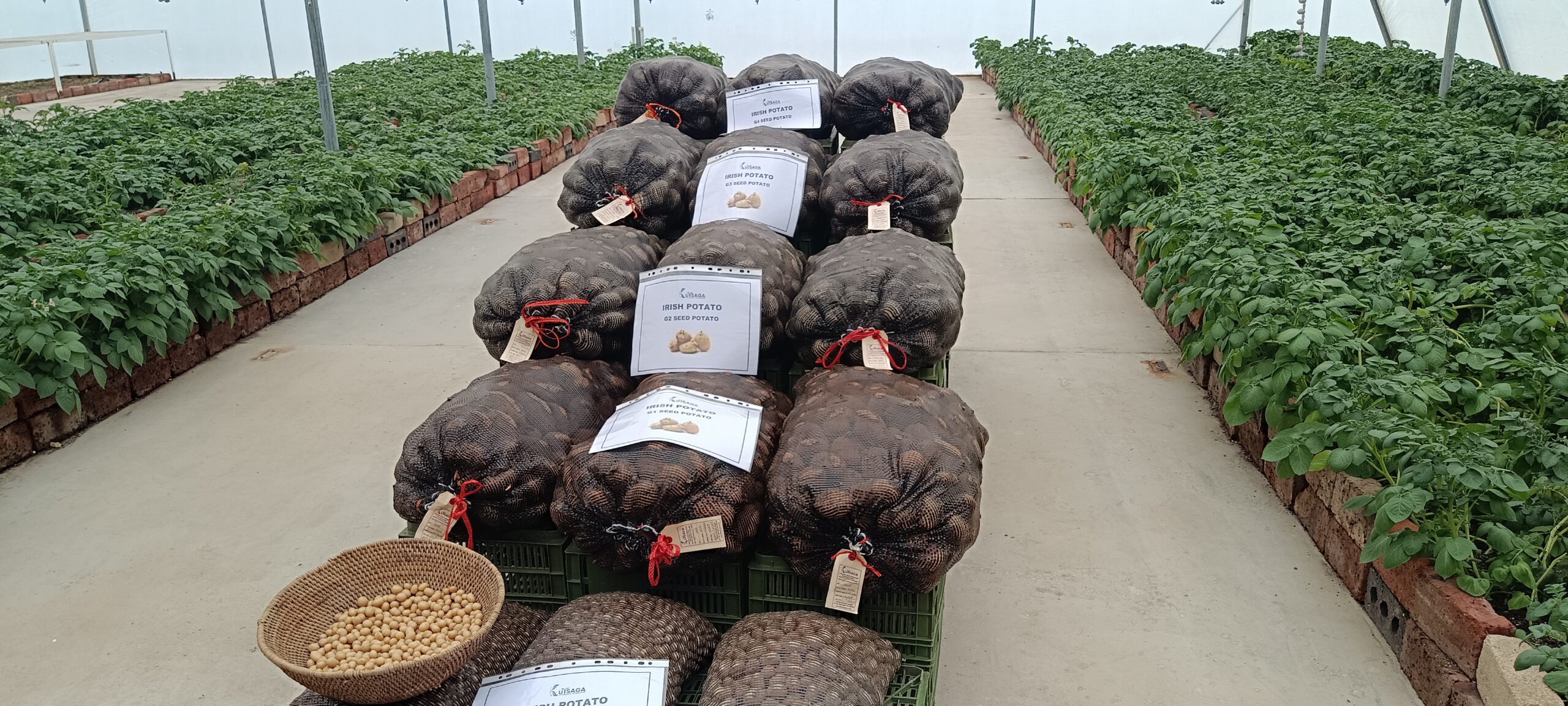
- Slashing the Import Bill: The facility has produced 3 million G0 Irish potato mini-tubers, which will unlock 1.8 billion G4 seed potatoes for local farmers, drastically reducing the nation’s dependency on costly imports.
- Diversifying into Exports: Scientists have developed 23 micropropagation protocols for high-value export crops, including blueberries, Hass avocados, and Stevia. Through strategic partnerships, over 12 million horticulture seedlings (broccoli, peppers, and watermelon) have also been produced.
A Modern “Conservation Ark”
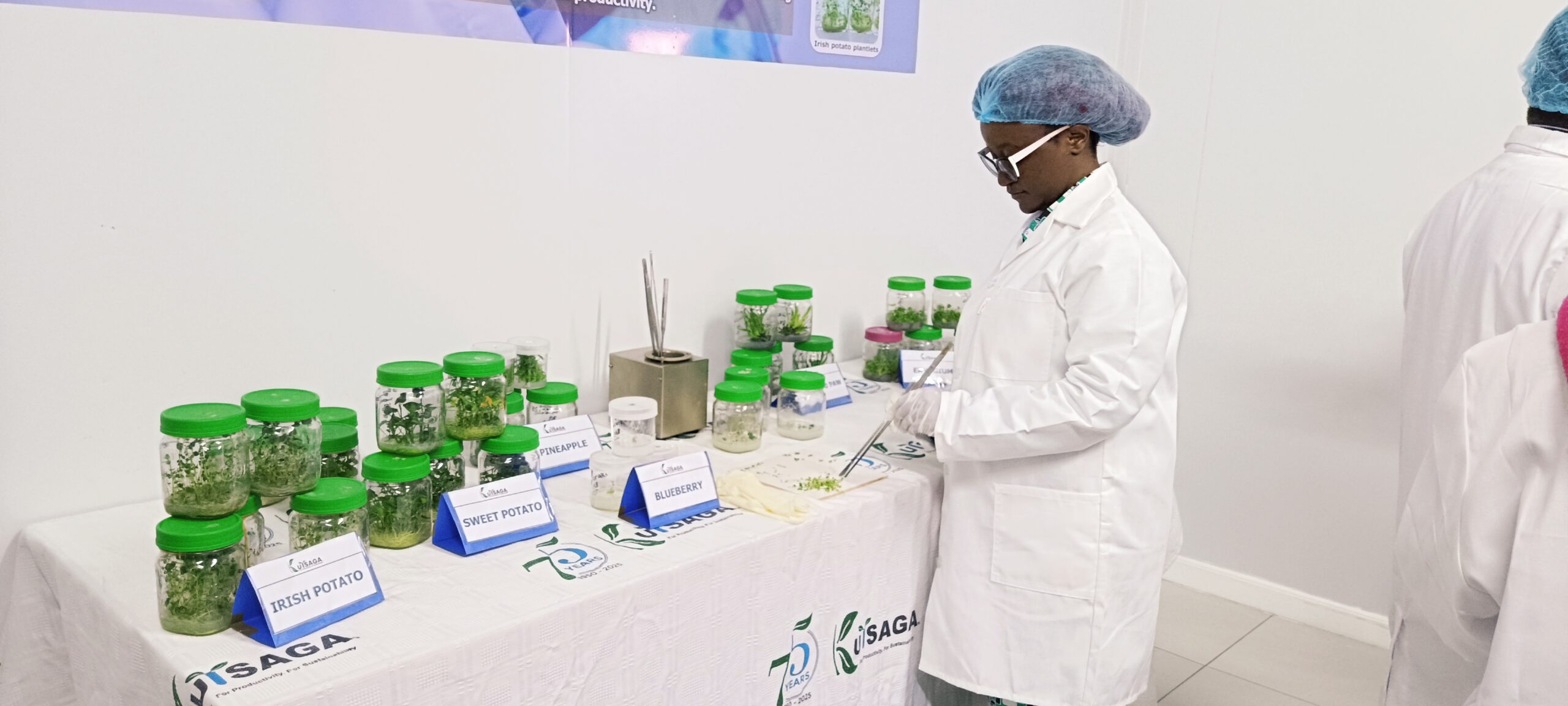 Beyond commercial crops, Kutsaga acts as a biological safeguard. By preserving the genetic slate of Zimbabwe’s plant heritage, the facility provides a foundation for future climate-resistant varieties and ecosystem restoration.
“The facility presents a clear opportunity for strategic partnerships,” Mavuka noted. “We encourage engagement through formal production contracts, which allow for forward planning and tailor-made production. The laboratory is open to all crops, including those requiring new protocol development.”
The Path to 2030
Dr Anxious Masuka, Minister of Lands, Agriculture, Fisheries, Water, and Rural Development, emphasised that in an era of climate uncertainty and biosecurity risks, Kutsaga’s work is indispensable.
“By 2030, we aim to build a US$15.8 billion agricultural industry,” Dr. Masuka said.
“The horticultural sector is central to this ambition. We project citrus production to grow from 288,000 MT in 2025 to 482,000 MT in 2030, and vegetables to surge from 540,000 MT to over 2.1 million MT.”
Dr. Masuka added that for agriculture to move from vulnerability to resilience, science must remain at the centre of policy.
“The Tissue Culture Facility is the engine that will drive this rebound, ensuring Zimbabwe regains its place as a horticultural powerhouse in Africa and beyond.”