


HARARE— As 2025 draws to a close, a new resolve is crystallizing within Zimbabwe’s government, articulated in the framework of the 2026 National Budget.
The era of mere economic survival is giving way to a calculated campaign for global re-entry and sustainable growth.
Guided by the principle that “Zimbabwe is a friend to all and an enemy to none,” authorities are executing a coordinated diplomatic and economic offensive.
The primary target: the suffocating burden of external debt arrears that has blocked access to crucial international financing for decades.
The Diplomatic Foundation
Throughout the year, a quiet revolution in narrative has been underway.
Senior officials have engaged in global shuttle diplomacy, hosting investment forums and strengthening international ties.
These are not superficial gestures but a deliberate “soft power” strategy to recalibrate Zimbabwe’s global image and lay the groundwork for tangible economic gains.
The 2026 Budget explicitly links this outreach to core objectives: unlocking new trade markets, attracting foreign direct investment, and harnessing diaspora remittances.
The Blueprint: The Arrears Clearance and Debt Resolution (ACDR) Roadmap
At the heart of the strategy lies the structured Arrears Clearance and Debt Resolution Roadmap.
This formalized process, driven by the Structured Dialogue Platform, brings together creditors and development partners to tackle systemic reforms through dedicated working groups:
1. Economic Growth and Stability
2. Governance Reforms
3. Land Tenure Reforms and Compensation
In a pivotal October 2025 development, a fourth pillar was added: the Debt Resolution Sector Working Group.
This body is tasked with unifying all creditor discussions, institutionalizing transparency, and ensuring seamless information flow—a critical step in building trust.
Fiscal Discipline: From Rhetoric to Action
The government’s commitment is being validated by tough domestic choices.
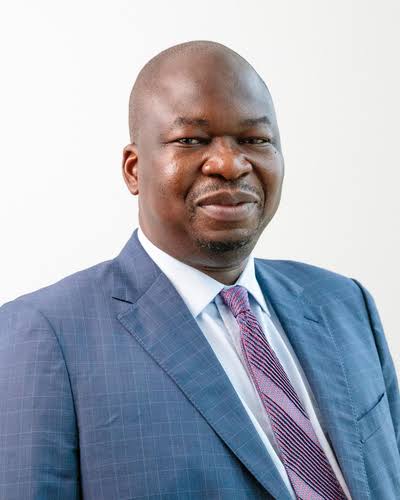
Secretary for Finance, Economic Development and Investment Promotion, George Guvamatanga, has struck a tone of unwavering resolve, framing debt resolution as a mission to restore both creditworthiness and national dignity.
“We believe that we should be able to further progress the dialogue towards arrears clearance because as long as we still owe the AfDB, World Bank… no multilateral funding from those institutions will come into Zimbabwe,” Guvamatanga stated on the ZFN Capital Friday Drink show.
He emphasized that even the IMF, to which Zimbabwe owes less, aligns with other lenders, making comprehensive arrears clearance essential.
This discipline is operationalized through stringent interim measures:
* Fiscal Restraint: A binding circular to contain fourth-quarter 2025 expenditures.
* Monetary Stability: Reinforcement of the “willing buyer, willing seller” exchange rate to enhance market efficiency.
* Transparency: Institutionalized reporting of domestic arrears to staunch the leakage of public funds.
As Guvamatanga put it, Zimbabwe is prepared to “take the bitter medicine of fiscal discipline to unlock the sweet cure of concessional financing.”
The Critical First Step: An IMF Staff Monitored Programme
The immediate, tangible goal is to secure an International Monetary Fund Staff Monitored Programme (SMP) by the first quarter of 2026. This SMP represents “Phase One” — a formal endorsement of the government’s reform agenda.
Its approval would unlock the next step: engaging a “bilateral champion” to help secure the bridge financing required to clear arrears with key International Financial Institutions.
Addressing the Past, Funding the Future
In a significant move addressing a historically contentious issue, the 2026 Budget allocates concrete resources to resolve legacy land disputes:
* US$10 million for payments to Former Farm Owners under the Global Compensation Deed.
* US$20 million earmarked for investors covered by Bilateral Investment Protection and Promotion Agreements (BIPPAs), backed by a committed four-year payment plan.
The Phased Path Forward
The roadmap beyond 2026 is steep but clearly defined:
* Phase One: Secure the IMF SMP, clear arrears with IFIs (World Bank, AfDB, EIB), and address bilateral arrears.
* Phase Two: Progress to an IMF Upper Credit Tranche programme and seek debt treatment under the G20 Common Framework, leading to restructuring agreements with the Paris Club and commercial creditors.
As a new year approaches, Harare’s message is one of sober acknowledgment and determined action. The debts of the past are being systematically addressed to finally seize the opportunities of the future.