



Zimbabwe’s tourism sector has recorded a surge in both international arrivals and domestic travel, creating a dual-engine growth model that is fast becoming the sector’s defining strength.
In the first quarter of 2026, international arrivals climbed by 11% to 384,561, while tourism receipts expanded by 14% to US$251 million, reflecting not just more visitors, but higher spending per traveller. The growth was broad-based, with overseas arrivals—typically the highest-yield segment—rising by 16%, subtly shifting the revenue mix in Zimbabwe’s favour.
Running parallel to this external demand is an equally potent domestic engine. Local tourism recorded a striking 35% jump, with trips rising to 2.62 million, driven by social travel, religious gatherings, and educational movement across the country. This internal circulation of travellers is proving to be more than a cushion—it is now a core growth pillar, sustaining occupancy, supporting small operators, and deepening value chains beyond traditional hotspots.
Together, these two forces—international inflows and domestic mobility—are reinforcing each other in ways that are reshaping the sector’s resilience profile. Even when global shocks briefly disrupted momentum, including a March dip linked to rising fuel costs and route disruptions, the broader quarterly trajectory remained firmly upward.
On the supply side, confidence is returning.
Tourism investments surged to US$67.8 million,
reflecting both new capital and the formalisation of previously unregistered operators.
Meanwhile, hotel occupancy ticked upward nationally, with strong provincial recoveries in Manicaland and Mashonaland East signalling a more geographically distributed tourism rebound.
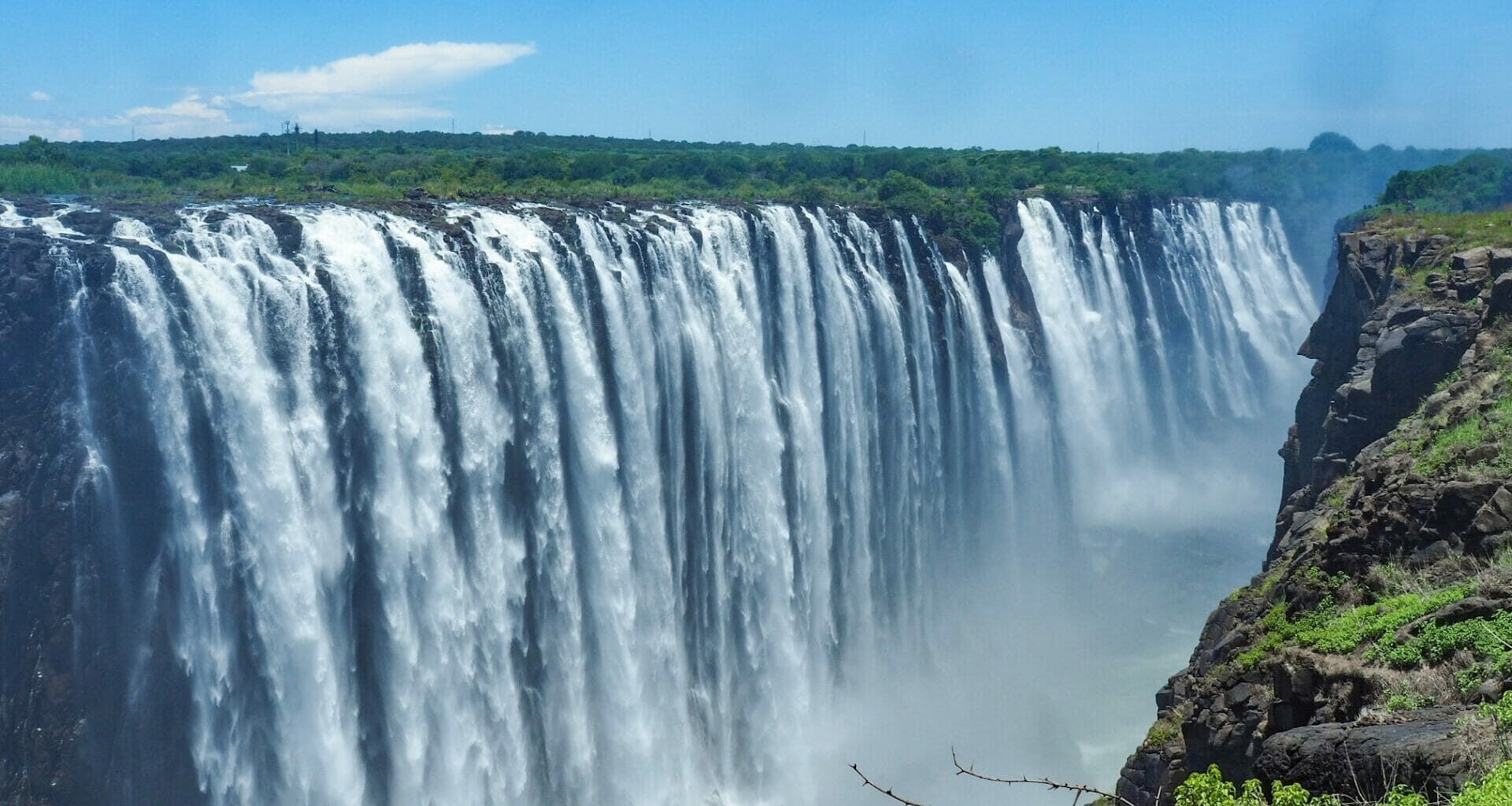
Beyond the numbers, Zimbabwe’s tourism brand is gaining altitude. International recognition—including being named among top global destinations and securing the “Destination of the Year for Natural Wonders” accolade—has sharpened the country’s competitive edge, while improved air connectivity and cluster-based development are tightening the ecosystem.
This alignment of policy, performance, and perception is what is setting the current phase apart. Growth is no longer being driven by a single market or seasonal spikes—it is being engineered through diversification, coordination, and strategic positioning.
In that context, the sector’s first-quarter performance does more than signal recovery. It consolidates Zimbabwe’s tourism trajectory—and, in the process, strengthens the case for its stewardship being recognised at the highest level.