




Zimbabwe’s agriculture story is shifting. The focus is no longer just on yields, but on what survives beyond the field.
For years, farmers have absorbed heavy post-harvest losses—grain spoiled in storage, vegetables rotting before reaching markets, income slipping away after months of labour. Official estimates put maize losses at around 28%, while vegetables can reach 45%. The result is a quiet but persistent drain on both household earnings and national food security.
Now, policy is catching up with that reality.
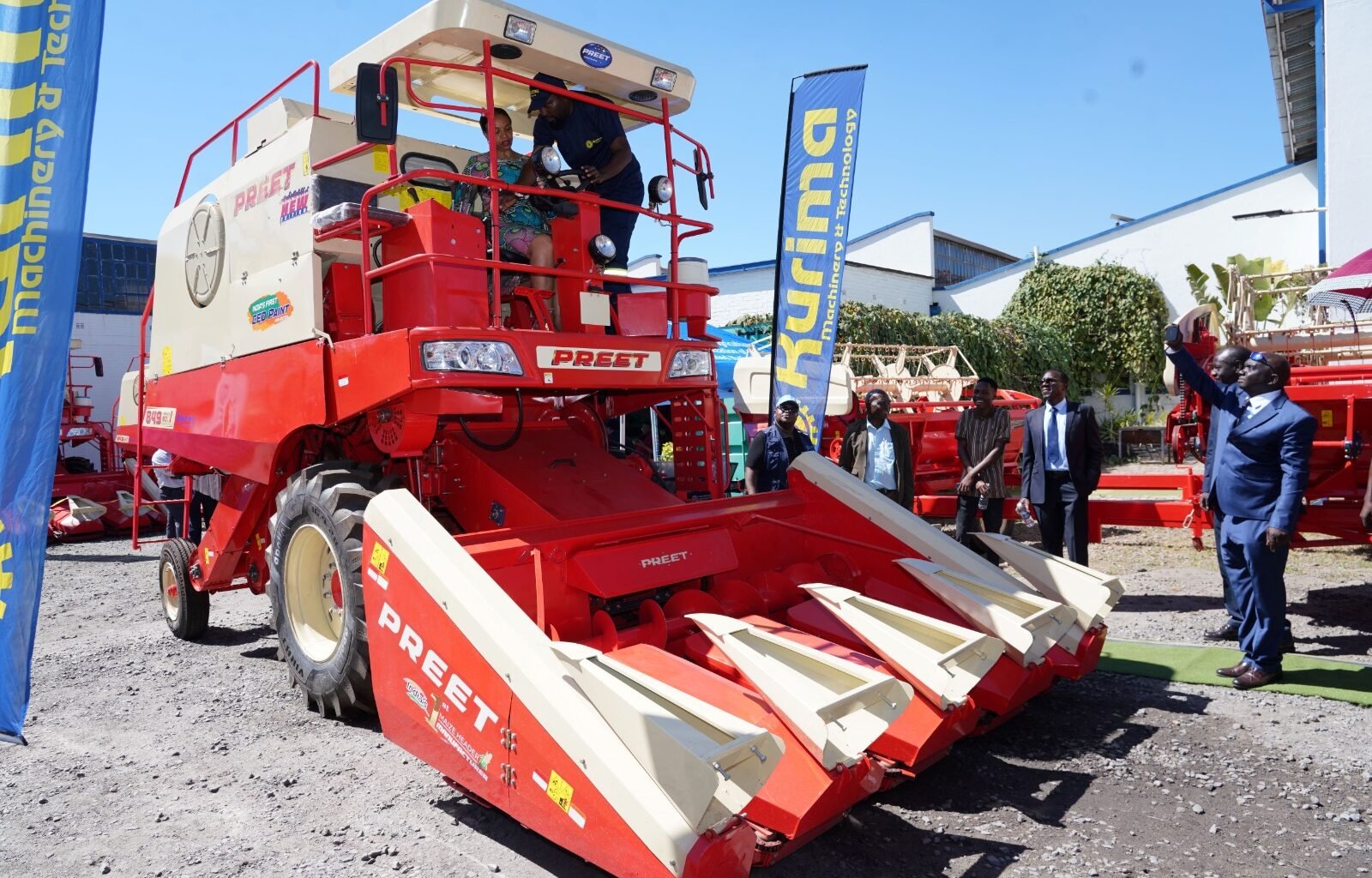
At the handover of post-harvest equipment under the Zimbabwe Emergency Food Production Programme, Government—working alongside the Food and Agriculture Organisation of the United Nations (FAO) and the African Development Bank (AfDB)—signalled a decisive pivot: production must be matched by preservation.
“Increasing production alone is not sufficient if we are unable to protect what farmers harvest,” said FAO Subregional Coordinator Dr Patrice Talla. “Post-harvest losses remain a significant constraint, particularly for smallholder farmers, who often lack access to appropriate storage, processing, and mechanisation services.”
The intervention is anchored on a targeted equipment rollout:
*2,100 metal silos for improved on-farm storage
*70 multi-crop threshers to speed up processing
*Five combine harvesters to strengthen mechanisation
But officials are clear—this is not a routine distribution exercise.
“Post-harvest losses have been a silent thief to our food systems… For maize alone, we lose about 28% of our harvest. For vegetables, losses can reach as high as 45%. This is totally unacceptable for a nation that has declared food sovereignty as a non-negotiable objective,” said Permanent Secretary for Agriculture, Professor Obert Jiri.
“When we reduce these losses, we increase effective income without increasing planted area. That is efficiency. That is productivity. That is profitability,” he added.
Women contribute over 60% of agricultural labour in Zimbabwe and are heavily involved in post-harvest handling—yet they face the highest exposure to losses and labour-intensive processing.
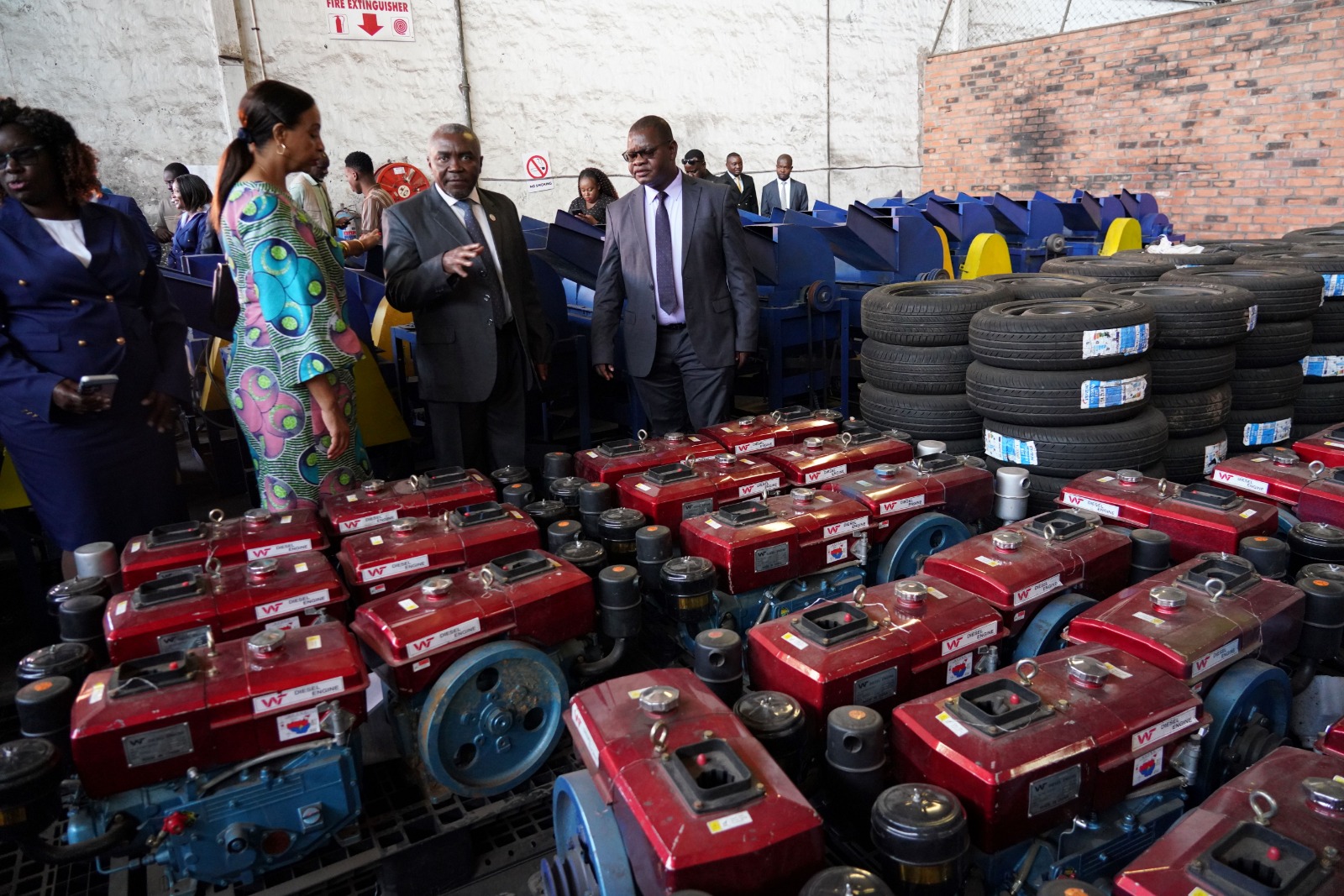
The introduction of threshers and improved storage is expected to change that equation.
“These technologies are designed to ease labour burdens… and enhance incomes for smallholder farming households including women farmers, who play a very central role in post-harvest handling,” said AfDB Country Manager Eyerusalem Fasika.
“This programme responds directly to… harnessing demographic transformation, turning Africa’s population growth into a powerful engine for economic development.”
Beyond the immediate equipment rollout, the programme aligns with Zimbabwe’s long-term agricultural transformation agenda. The country is targeting a reduction in post-harvest losses from 16.5% to 6% by 2030 —a shift that could significantly boost food availability and farmer incomes without increasing production costs.
For FAO, the intervention marks a structural shift in how agricultural success is measured.
“These investments represent critical building blocks for a modern, competitive, and resilient agricultural sector that leaves no one behind,” Dr Talla said.
AfDB emphasised that sustainability will depend on how well these assets are embedded within farmer organisations and value chains.
“This is not just about equipment… it is about safeguarding harvests, strengthening livelihoods, empowering women farmers and securing the future of smallholder agriculture,” Fasika said.