


The drive to transform Zimbabwe’s agriculture may ultimately begin with something small enough to fit in the palm of a farmer’s hand — a seed.
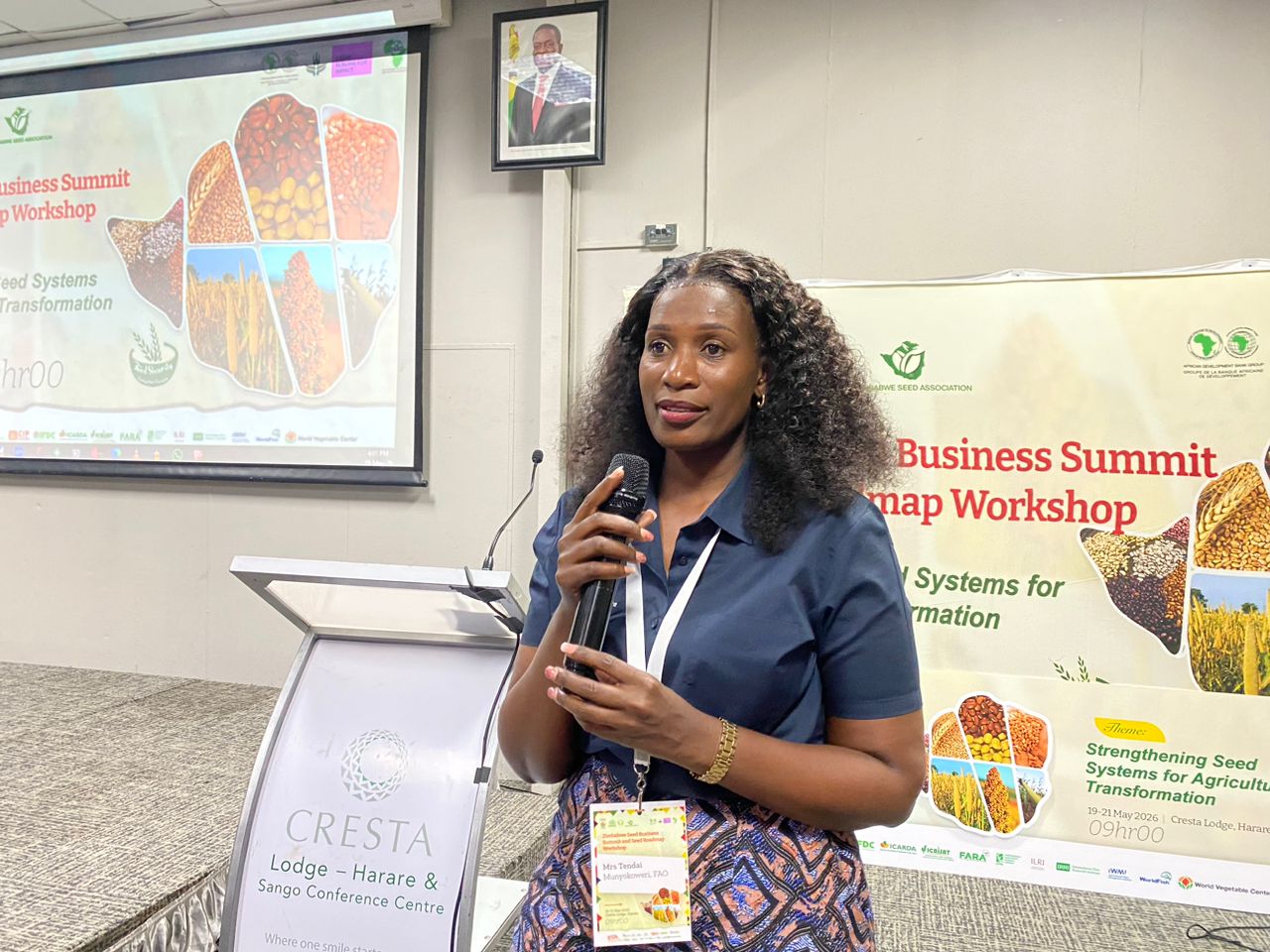
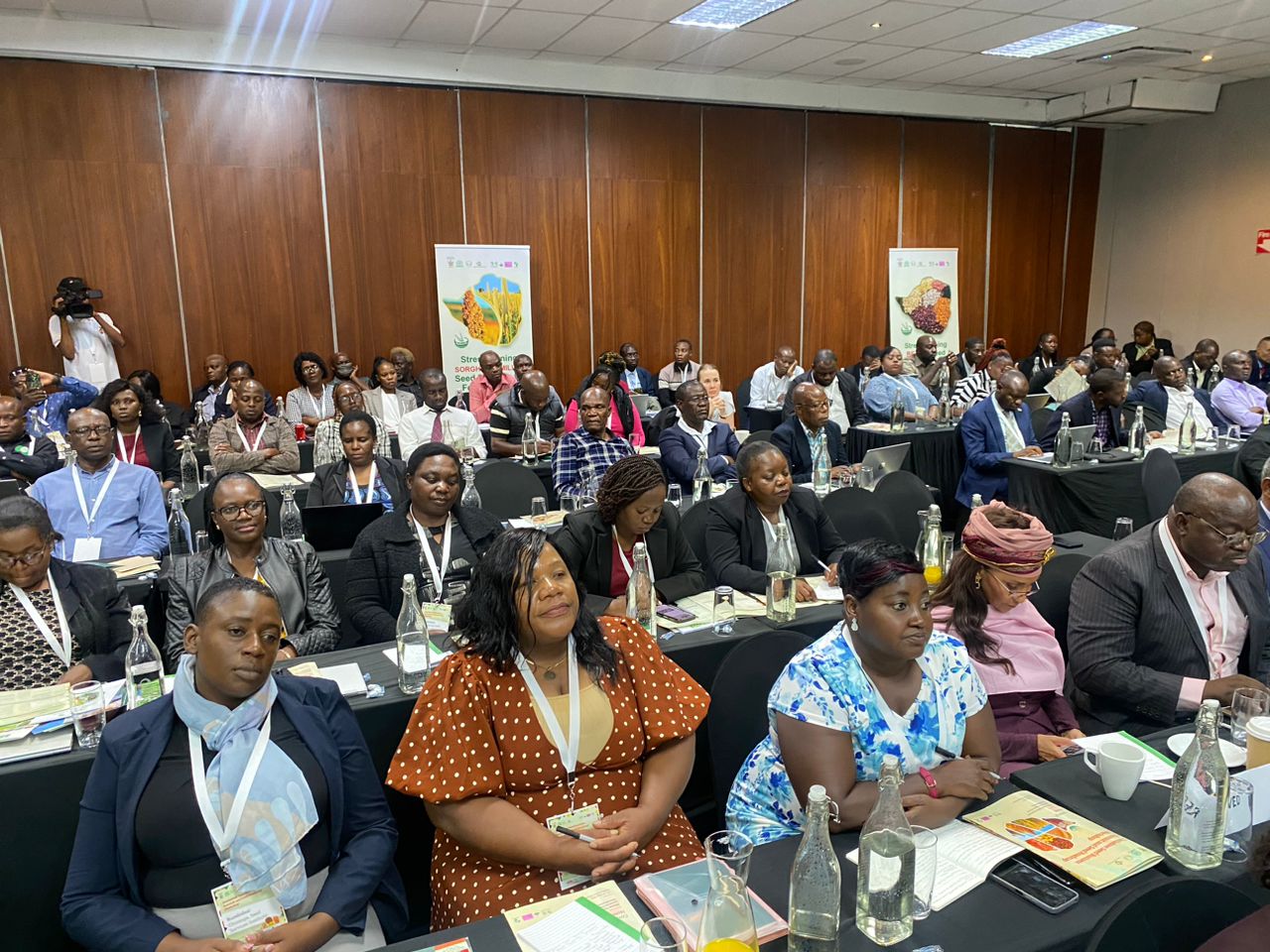
At the on-going Zimbabwe Seed Business Summit in Harare, policymakers, seed companies, researchers, financiers and development partners are crafting a commodity-specific national seed roadmap that is bankable, implementable, capable of reshaping the country’s agricultural future.
The summit, is running under the theme “Strengthening Seed Systems for Agricultural Transformation”.
The Ministry of Agriculture, Mechanisation and Water Resources Development is partnering the Technologies for African Agricultural Transformation (TAAT), stakeholders and development partners in crafting the national seed roadmap for supporting traditional grains (Sorghum and Pearl Millet), wheat, bean, soybean, groundnut and maize value-chains.
The objectives of the summit include; to develop a 5-year road map and investment plan for Zimbabwe’s seed industry and advocate for investments to build sustainable seed systems for sorghum, millets, wheat, maize beans, groundnut and soybean value-chains.
Opening the summit, Permanent Secretary for Agriculture, Mechanisation and Water Resources Development, Professor Obert Jiri, captured the strategic significance of seed systems saying: “Within the DNA of a single seed lies the genetic potential to drive food security, industrialisation, and rural development.”
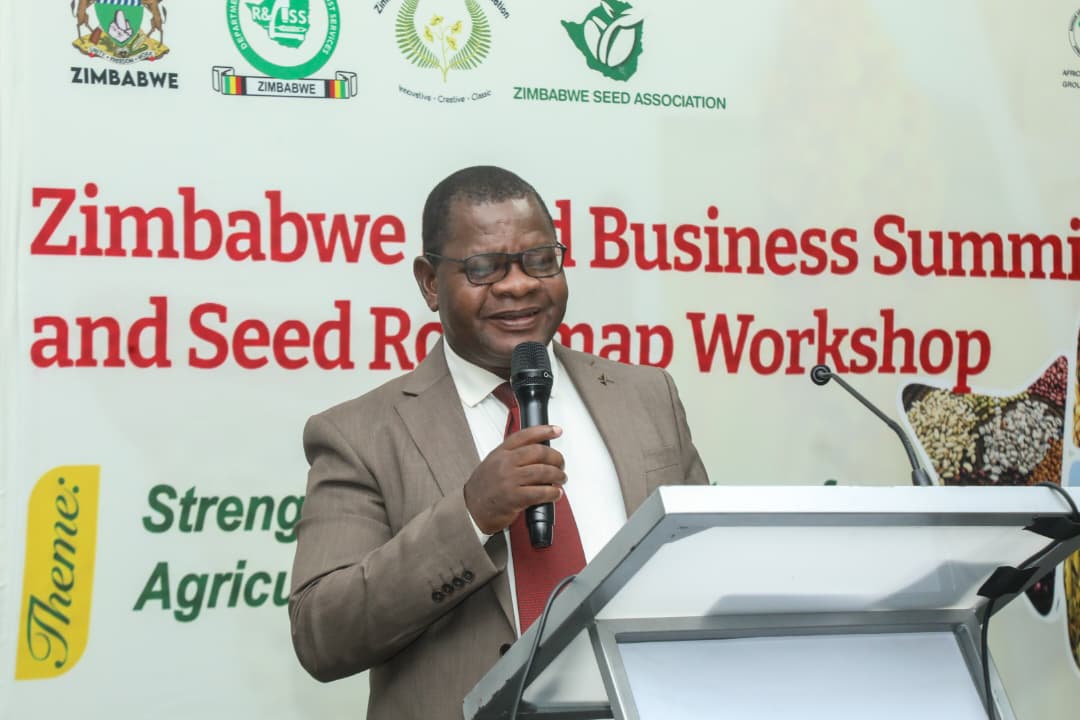 Prof Jiri described the summit as “the engine room where we calibrate the starting point” of Zimbabwe’s agricultural transformation agenda.
“In line with President Emmerson Mnangagwa’s Vision 2030, we are unequivocally moving from hoes to hectares, and from subsistence to commercialisation,” said Prof Jiri.
Far beyond policy dialogue, the summit sought to engineer practical solutions around maize, wheat, soybean, beans, groundnuts and traditional grains. Prof Jiri challenged stakeholders to produce “a blueprint that is bankable, implementable, and capable of guaranteeing seed sovereignty.”
The roadmap development process builds on Zimbabwe’s Vision 2030, the National Development Strategy 2 (NDS2), and the Agriculture, Food Systems and Rural Transformation Strategy 2 (AFSRTS2), all of which place climate-smart, high-yielding and stress-tolerant seed varieties at the centre of agricultural growth.
TAAT has experience in Seed Summits that have resulted in the development of nationally owned seed road maps and investment plans in several African countries (Sierra Leone, Liberia, Benin, Guinea, Cameroon, Cote D’Ivoire and Kenya).
Importantly, the summit also drew lessons from successful African seed roadmaps. Sierra Leone’s seed summit eventually attracted development partner commitments worth US$67 million after the formulation of a national seed investment plan.
Technical experts stressed that resilient seed systems are indispensable in an era of climate shocks, rising food demand and increasing input costs. Presentations at the summit noted that Africa’s food system is approaching a “tipping point,” requiring smart strategic planning, innovation and stronger technology delivery systems.
For Zimbabwe, the summit may well mark the beginning of a new agricultural era — one where national prosperity is increasingly measured from the quality, accessibility and resilience of the seed planted in every field.
TAAT is a major continent-wide initiative designed to boost agricultural productivity across the continent by rapidly delivering proven technologies to millions of farmers. TAAT aims to double crop, livestock, and fish productivity by expanding access to productivity-increasing technologies to more than 40 million smallholder farmers across Africa by 2025. TAAT seeks to generate an additional 120 million metric tons (MT). TAAT is a key flagship programme of the African Dvelopment Bank’s Feed Africa strategy (2016 – 2025).