



By Conrad Mwanawashe
In an age where a single TikTok video or Facebook post can reach more people than a national health campaign, the line between “influence” and “public health risk” has never been thinner. A celebrity endorsement, a bubbly Instagram testimonial, or a WhatsApp-forwarded “miracle cure” can send thousands of Zimbabweans rushing to buy a product — sometimes one that is unregistered, unsafe, or downright dangerous.
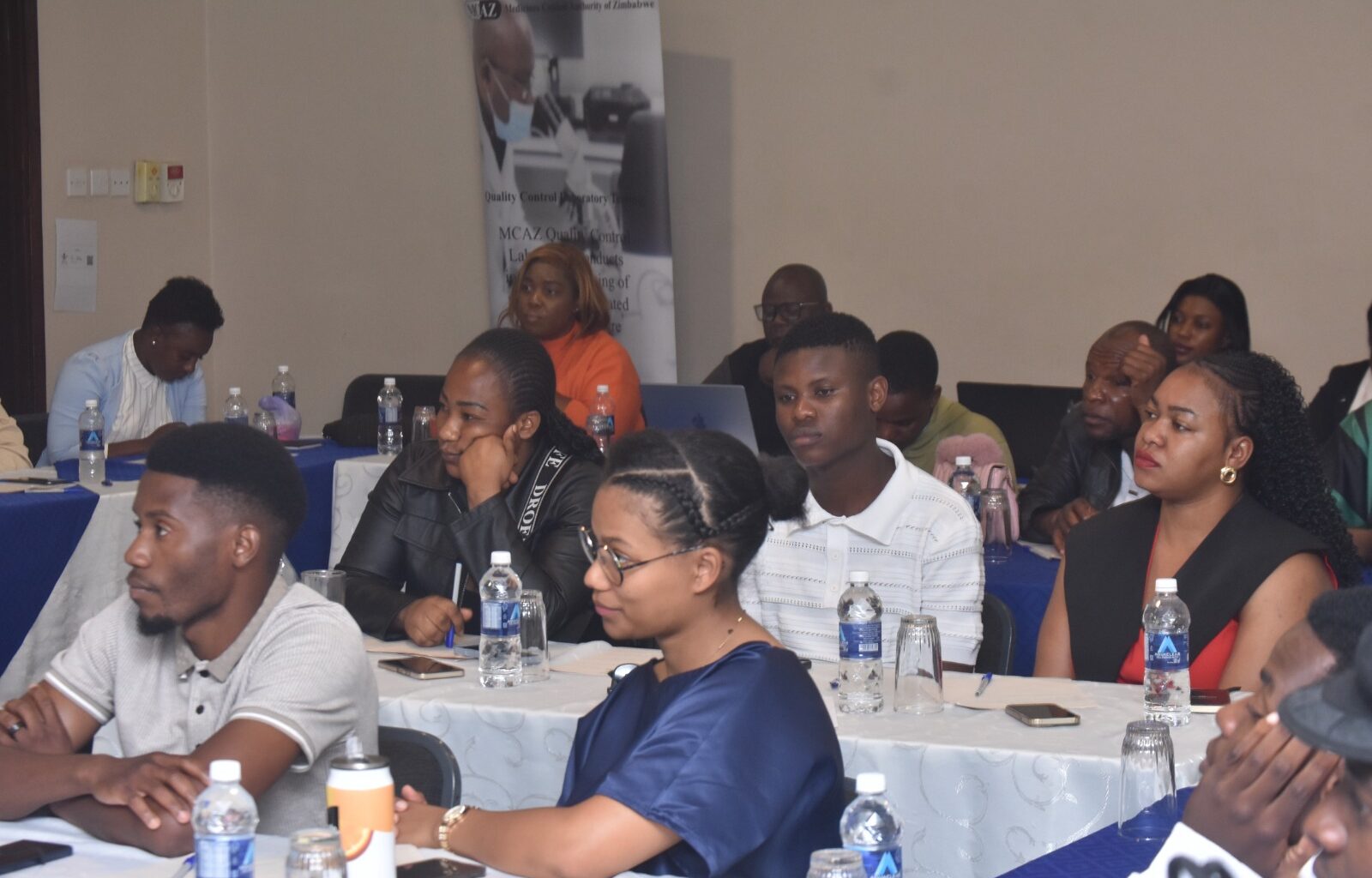
It is this reality that has pushed the Medicines Control Authority of Zimbabwe (MCAZ) to do something regulators don’t often do first: talk before they act. Rather than leading with arrests and prosecutions, MCAZ has opened a direct line of engagement with the very people shaping what millions of Zimbabweans believe about medicine — influencers, celebrities, bloggers and digital content creators.
The Cost of Getting It Wrong
Misinformation about medicines is not an abstract problem. When the wrong information about a drug spreads online, the consequences can be immediate and physical: people self-medicating with unapproved products, patients abandoning prescribed treatment for unproven alternatives, or families spending scarce resources on substances that do nothing — or worse, cause harm.
Add to this the advertising of prohibited or unregistered medicines, and the danger multiplies. Products pushed without regulatory oversight may be counterfeit, wrongly dosed, contaminated, or simply ineffective, exposing unsuspecting buyers to real health risks while eroding public trust in legitimate medicine.
This is precisely the gap MCAZ says it has identified — and moved to close.
A Regulator Sounds the Alarm
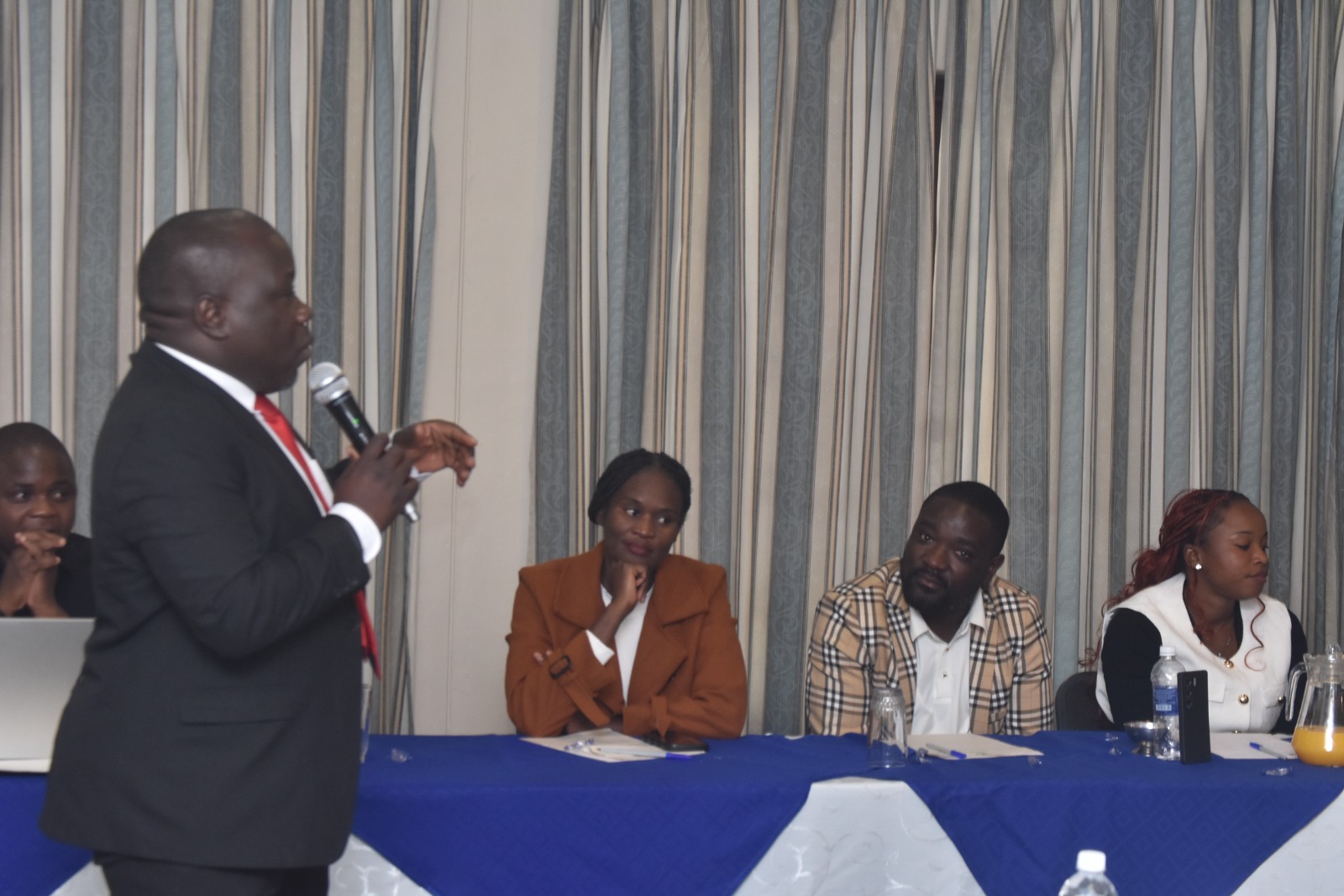 MCAZ Public Relations Manager Davidson Kaiyo said the regulator had observed a rise in the illegal advertising of medicines by influencers, celebrities and bloggers, many of whom were simply unaware of the legal framework governing such promotions.
“As MCAZ, we have seen the illegal advertisement of medicines on social media, mostly through influencers, celebrities and bloggers.
“We realised these individuals now have a powerful voice in public health communication because they influence where people buy medicines, what medicines they use and even how they use them. However, many are not aware of the laws governing the advertisement of medicines,” he said.
That last point is worth sitting with. These content creators are not necessarily acting maliciously — many simply don’t know that promoting a medicine on social media is a regulated activity, not just another brand deal. Yet the effect on public health is the same whether the ignorance is innocent or not: unsafe products reach the public, dressed up in the trusted voice of a favourite personality.
The Law Is Clear, Even If Awareness Isn’t
Kaiyo explained that the Medicines and Allied Substances Control Act regulates the advertising of medicines in Zimbabwe, and noted that several companies had already been arrested and prosecuted for unlawfully using social media personalities to market medical products. In other words, this is not a grey area — it is a legal framework with real consequences, and enforcement has already happened.
Choosing Education Over Punishment — For Now
What makes MCAZ’s current approach notable is the decision to lead with engagement rather than enforcement. Kaiyo said the Authority had deliberately opted to educate content creators first.
“We realised that instead of going after them for arrest and prosecution, it was better to engage them first so they understand what is lawful and what is not. We believe this engagement will contribute significantly to protecting public health,” he said.
Why This Engagement Matters
This shift matters for several reasons:
– It meets influencers where they are.Rather than treating content creators purely as targets of enforcement, MCAZ is recognising them as key partners in public health communication — a more sustainable long-term strategy than punishment alone.
– It builds a firewall of awareness.An informed content creator is far less likely to unknowingly promote a banned or unsafe product, protecting both their audience and their own legal standing.
– It protects the public before harm occurs.Prevention through education reaches audiences before misinformation spreads, rather than cleaning up after damage is done.
- It strengthens trust in the digital information ecosystem.As more health information moves online, ensuring that trusted voices are also accurate voices is essential to safeguarding public confidence in legitimate medicine.
“I am happy with this engagement because it is actually my first time. We would have continued doing business as usual, thinking we could advertise anything,” Content creator Lorraine Guyo said.
The Bigger Picture
Content creators today hold a kind of authority that traditional health messaging often struggles to match. That influence can be a powerful tool for good — amplifying accurate health information, encouraging safe medicine use, and reaching audiences that formal campaigns might miss.
But the same influence, when uninformed or unchecked, can just as easily normalise the advertising of prohibited or unregistered medicines, putting public health at risk.
MCAZ’s engagement with content creators is, in effect, a bet that education can prevent harm before it starts. As Kaiyo put it, this collaboration is expected to “contribute significantly to protecting public health.”
For a country where social media increasingly shapes what people believe about their own wellbeing, that bet may prove to be one of the more consequential public health interventions of the digital age.