


By Conrad Mwanawashe
ZIMBABWE is experiencing significant disruptions to its economy and food security due to climate change-related loss and damage, which are largely driven by extreme droughts, floods, and cyclones. These climate shocks negatively impact GDP, trade balances, and fiscal stability.
During the 2023/24 growing season, Zimbabwe faced severe drought conditions linked to El Niño, leading to a 60% reduction in maize yields compared to the five-year average. This resulted in approximately $363 million in damages as reported in the Zimbabwe Economic Update (ZEU) titled “Improving Resilience to Weather Shocks and Climate Change.” The effects included a decline in GDP, decreased export revenue, and an increase in the fiscal deficit by 0.9% of GDP.
This pattern of shocks generates loss and damage that hampers sustainable development and aggravates poverty levels. Loss and Damage (L&D) is recognized as a vital issue of climate justice because it disproportionately impacts vulnerable communities—those that contribute the least to global emissions face the most severe consequences.
In Zimbabwe as well as throughout the Global South, the potential for L&D solutions is increasingly compromised due to a persistent oversight regarding gender considerations; experts warn this neglect transforms recovery efforts into maladaptive measures.
Article 8 of the Paris Agreement emphasizes the necessity of preventing, minimizing, and addressing loss and damage associated with adverse climate change effects—including both sudden extreme weather events and gradual onset phenomena—and highlights sustainable development’s role in mitigating these risks.
Research from the African Centre for Health, Climate & Gender Justice Alliance (ACHCGA) indicates that gender-blind climate reporting and policy interventions fail to recognize how existing power dynamics heighten risks for women.
 Imali Ngusale, Strategic Lead of ACHCGA told journalists attending a science café organised by Media for Environment, Science, Health and Agriculture (MESHA) on gender, health and climate change that her organisation advocates for gender-responsive approaches to adaptation and mitigation that acknowledge non-economic losses such as health, dignity, livelihoods, and care systems.
“We emphasize that Loss and Damage mechanisms must address gendered health impacts and provide accessible, rights-based support,” said Ngusale.
She further added that their involvement in L&D advocacy includes initiatives like the Fund for Responding to Loss and Damage (FRLD), under the Barbados Implementation Mechanism—an initiative launched at COP30 aimed at providing rapid grant funding ($5–$25 million) for climate-vulnerable nations through a bottom-up framework valued at $250 million for 2025–2026.
However, beneath these frameworks lies a more profound crisis: cycles of gender-blind initiatives that overlook the experiences of women who constitute over half of those working in agriculture. Increasing evidence suggests such initiatives—those disregarding women’s specific social, economic, and health contexts—fail to capture non-economic losses most detrimental to vulnerable groups.
“Media narratives influence whose climate experiences are seen, believed, and prioritised. Gender-blind climate reporting often erases the lived realities of women, caregivers, and frontline communities, leading to policy responses that fail to address health inequities.,” said Ngusale.
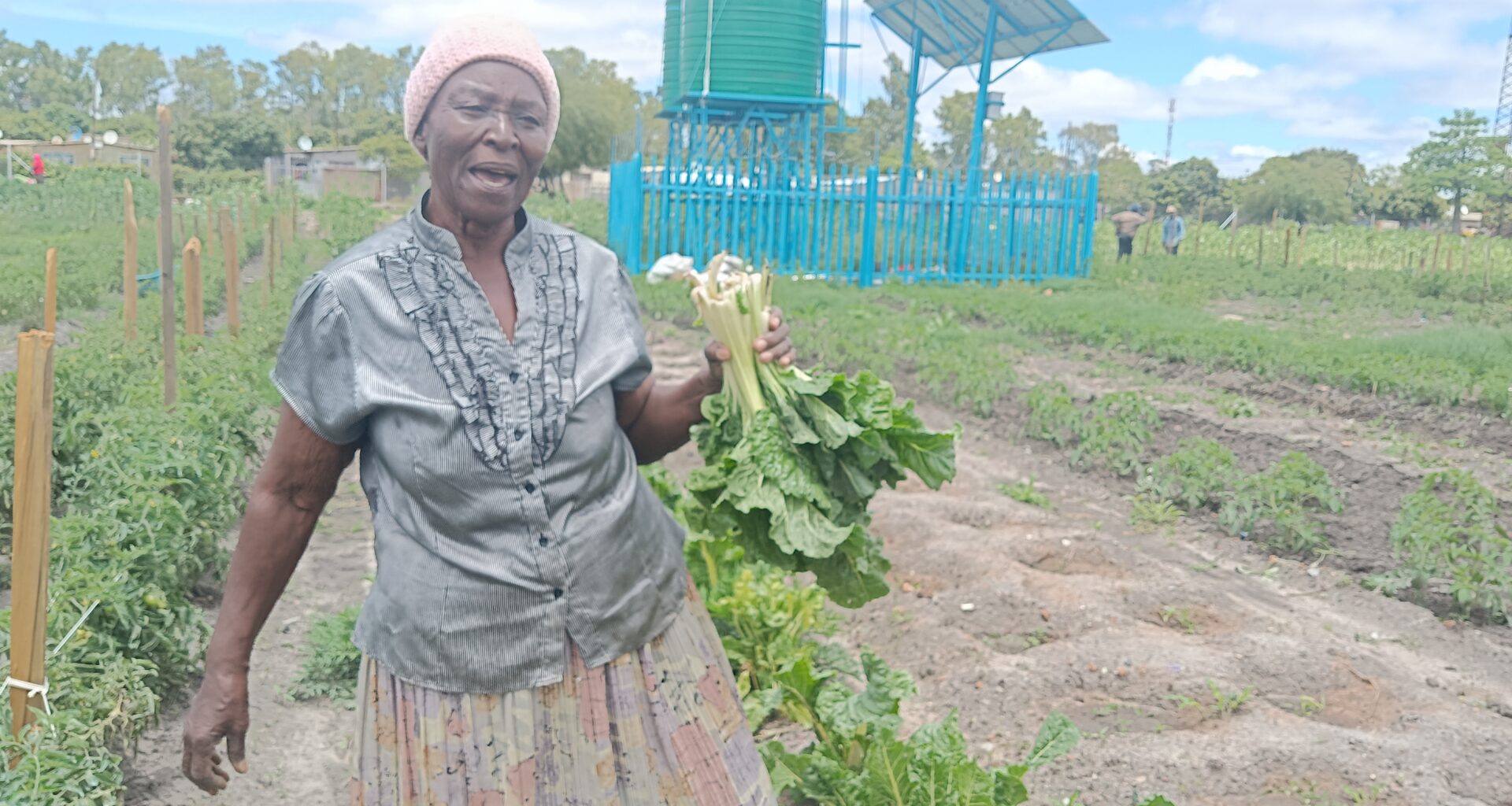
The scarcity of resources caused by climate change does not merely affect agricultural output; it compels women and girls to travel greater distances for water or fuel—thereby increasing their vulnerability to gender-based violence (GBV) or femicide. When L&D funding lacks a gender perspective, it often prioritizes large-scale infrastructure projects over essential local care systems or maternal health services; thus women end up bearing these burdens through increased unpaid labor alongside deteriorating health conditions.
The implications of gender blindness extend into how FRLD operationalizes its goals. Without explicit allocations targeting gender issues within market-driven incentives often favoring formal landholders or workers—most of whom are men—the needs of landless or informal workers (predominantly women), who rely on sensitive ecosystems yet lack formal legal recognition for compensation claims remain unaddressed.
ACHCGA advocates for transforming media portrayals along with policy frameworks toward integrating gender-responsive narratives centered around real-life accounts from those most affected. Such an approach aligns with the objectives outlined in the Belém Gender Action Plan which aims ensuring L&D mechanisms offer accessible rights-based support instead perpetuating existing inequalities.
While reports on losses attributed to El Niño during 2023/24 focus on national deficits alone without factoring how these climatic shocks uniquely impact women: many women’s economic activities occur within backyard economies—including small livestock management or subsistence farming—resulting losses frequently go unrecognized within national compensation accounts.
As traditional water sources dry up alongside energy supplies dwindling women must often journey longer distances—sometimes spending between five to ten hours daily—to secure necessary resources. Gender-insensitive adaptation strategies ignore this time poverty which hinders women’s engagement in income-generating resilience programs intended by government entities or development partners.
Additionally macroeconomic data rarely reflect rises seen in GBV incidences or femicide rates when socio-economic pressures stemming from crop failures seep into households’ dynamics.
One primary reason behind these gaps stems from systemic exclusionary practices barring women’s participation at decision-making levels: Despite being key food producers within Zimbabwe women hold only 35% representation within parliamentary roles alongside even fewer positions within bodies managing climate governance matters.
Such underrepresentation fosters a self-reinforcing cycle yielding ineffective policies: Programs like Pfumvudza—a climate-smart initiative beneficially intended but inadvertently augmenting physical labor demands placed upon women requiring them digging planting holes manually amid male migration towards work opportunities elsewhere.
Without female contributions policymakers tend toward prioritizing substantial commercial infrastructures rather than critical maternal healthcare clinics alongside local social registries vital for rural women’s survival during crises.
Only about 32% of global commitments concerning climate currently acknowledge sexual reproductive health—a consequence arising from predominantly male-led negotiations viewing maternal welfare separately from broader discussions around loss-and-damage scenarios related environmental shifts.
ACHCGA posits business-as-usual approaches are no longer viable options moving forward; genuine resilience necessitates transitioning beyond neutral targets toward legislation mandating female leadership within disaster management frameworks. Incorporating women’s voices across all stages—from drafting national adaptation plans through managing allocated climate funds—enables Zimbabwe’s investments ($1 spent early could avert future costs estimated at $16 according economists) rather than simply shifting burdens onto its most vulnerable citizens.